Italian Truck Strike Idles Mozzarella
A one-day halt in southern Italy costs the cheese industry 3 million euros as milk spoils before it can reach dairies.
By Edward Lawson ·
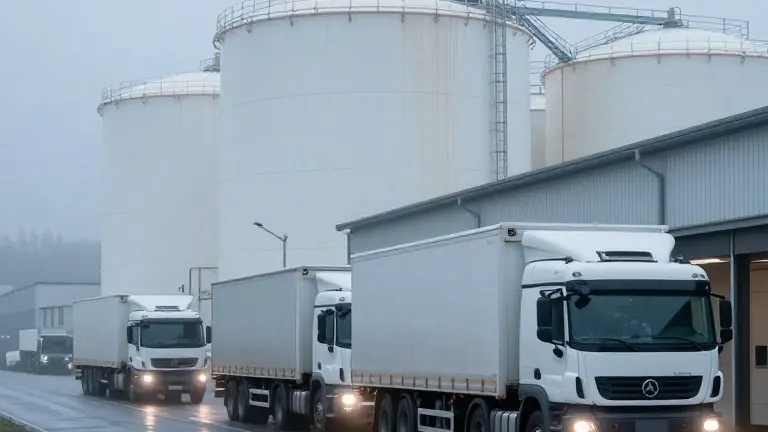
Three million euros. That is the estimated financial damage caused to the buffalo mozzarella industry in just one day of transport chaos in southern Italy. The figure represents revenue lost because the milk could not be moved from farms to processing plants.
The disruption stems from a weeklong strike by truck drivers. These workers are protesting the high cost of diesel, a price surge linked to the ongoing conflict with Iran. The blockade has left gas stations in southern regions without fuel and stopped deliveries of basic goods to supermarkets. While the Italian government approved new tax breaks for the sector on Thursday, officials said it was still unclear if the measures would end the protest.
The timing of the strike creates a specific problem for this cheese. Mozzarella di Bufala Campana DOP is a protected product with strict production rules. The milk must be turned into cheese within 60 hours. Unlike other dairy products, buffalo farmers cannot simply store large amounts of fresh milk for long periods. Their tanks are sized only to hold enough for regular truck pickups.
Pier Maria Saccani, director of the Consortium for the Protection of Mozzarella di Bufala Campana DOP, said that roughly 1 million liters of milk produced on Wednesday went to waste. He described the situation as a complete production blockade. Saccani noted that farmers are in a state of panic over where to store the surplus liquid. Some have resorted to feeding the unused milk to their herds to prevent total loss.
The government, led by Premier Giorgia Meloni, held an extraordinary Cabinet meeting to address the crisis. They increased financial aid for truckers and farmers to a combined 540 million euros in tax credits. This is an increase from the previous amount of 434 million euros. The funds aim to help both groups absorb the higher costs of fuel and operations.
The industry was already facing financial pressure before the strike. The consortium estimates that production costs have risen by about 30 percent. This increase is driven by higher prices for animal feed, diesel, energy, plastic packaging, and transportation. Producers have not fully passed these costs on to customers, meaning they are absorbing much of the expense themselves. In 2025, the region produced just under 58,000 metric tons of the cheese, with 37 percent exported, primarily to France.
The blockade has forced several dairies to close their operations entirely. Saccani said the situation is delicate because the transport disruption also threatens the supply of animal feed and diesel needed to keep the farms running. The cheese industry in the Campania region, home to Naples, remains central to the local economy, and the current halt represents a severe strain on that system.
Source: Omaha Daily Record · original report published